by Natasha Burton
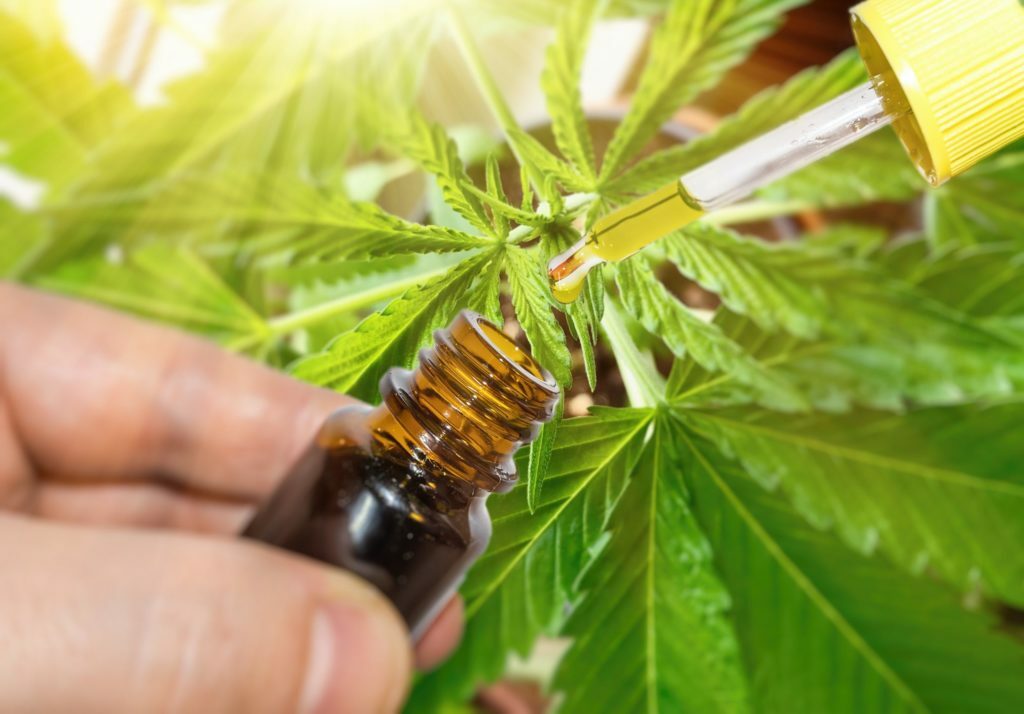
You may know about CBD oil’s various health and wellness benefits, but most of us are a little less informed about the substance’s production and what we should know before choosing a product to use. Whether ingested or used topically, CBD oil is made using a few different processes. To boot, it can even be different colors and contain contaminants, depending on how the cannabis plants used to make it are grown.
Whether ingested or used topically, CBD oil is made using a few different processes including: 1) Whole plant infusion 2) Isolate method 3) Ethanol extraction. Each process is effective but only the whole plant infusion process contains a true full spectrum of the cannabis plant.
As you can imagine, these are all important considerations before making a purchase. Here’s what to know about how CBD oil is made and what to consider when assessing CBD products.
CBD Whole-Plant Extract Method
When looking at how is CBD oil made, one method is known as “whole plant extract” (and it’s also known as “full spectrum”). This means that, when the oil is made, it contains not only CBD but also some levels of THC, as well as other cannabinoids from the cannabis plant, and terpenes, which are the anti-inflammatory agents within the plant. Typically, whole-plant is the more popular option. Research shows that full spectrum CBD oil can be more effective than isolate CBD oil—more on this in a moment—for treating inflammatory conditions.
Isolate Method
Comparatively, the isolate method means that the CBD oil extracted contains only CBD (that means no terpenes, fatty acids or other cannabinoids). Some people may prefer this method for one simple reason: Because it doesn’t have any level of THC, isolate method-produced CBD oil can be considered a less risky option for anyone who doesn’t want THC in their system. (The chances of this are low, but for those very cautious people, isolate can be a good option.)
CO2 Extraction
To make the oil itself, supercritical carbon dioxide process is the most expensive. This newer process uses fluid CO2—instead of chemicals—as a solvent, and it’s often used in the food industry for other commercial extraction processes, particularly to make coffee and omega-3 oil.
Ethanol Extraction
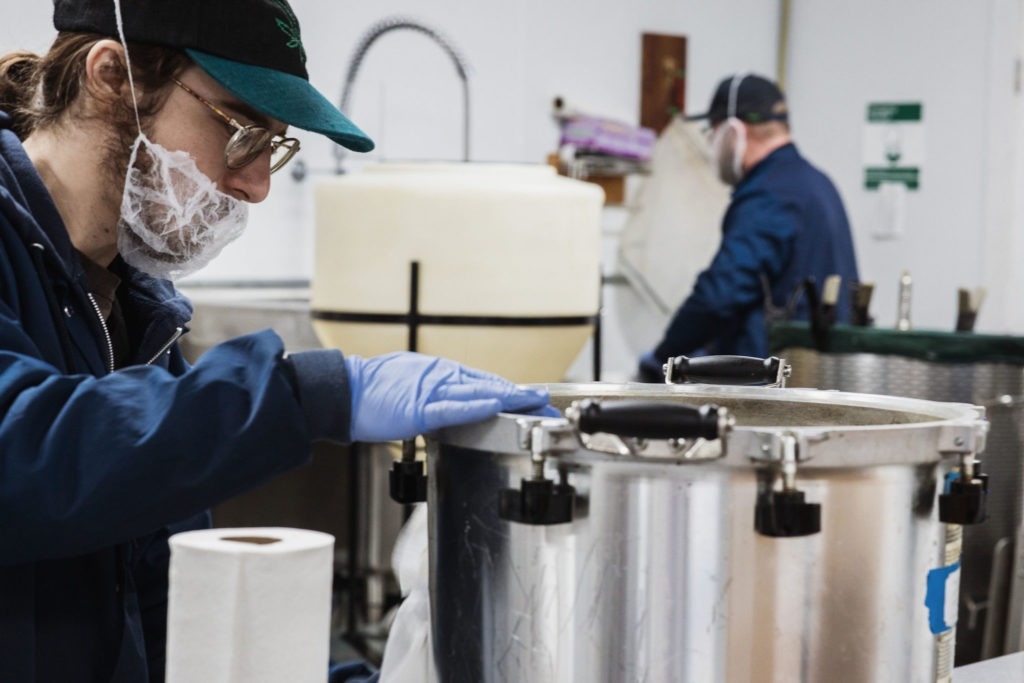
This extraction method is the most common. Basically, ethanol is used as a solvent to remove CBD from the cannabis plant. The upside to this is that it’s fast, it’s less power intensive than the CO2 method and it requires inexpensive equipment. The downside? Ethanol is super-flammable so the process requires certain precautions.
Color Choices
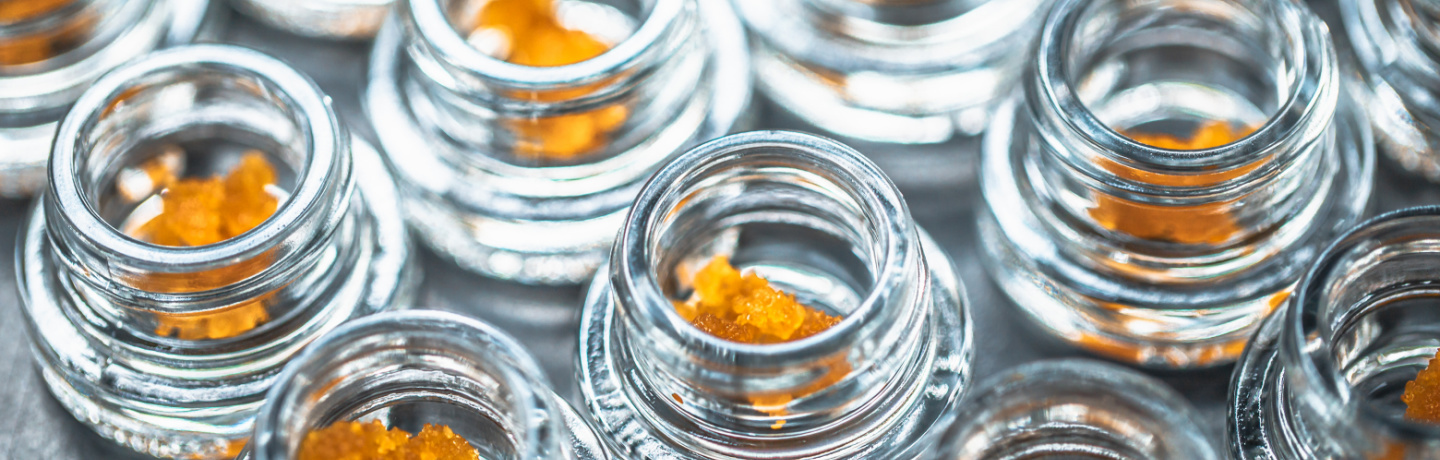
In addition to how CBD oil is made, there’s some variance in color, depending on the oil type. Filtered oil is yellow or gold and is considered the highest quality (meaning it may also be more expensive). Decarboxylated oil is heated to “activate” CBD’s healing properties and is known for being extremely potent. It’s typically more of an amber or brown color. Raw oil is usually dark or green-tinged, since it doesn’t get filtered and still contains plant fibers and chlorophyll.
What to Consider Before You Buy
The most important factor when choosing a CBD oil is not necessarily how it’s made and what process is used. What matters most is how the cannabis plants are grown and what contaminants, if any, they contain. While several states have legalized CBD, there is a still little regulation to protect consumers. Learning about whether topical or ingested is right for you, how much THC and CBD are in a product, and what testing was performed on the final product are some of the key things you should be sure to find out before choosing a CBD oil.
Natasha Burton has written for Women’s Health, Livestrong, MSN, Cosmopolitan and Woman’s Day, among other print and online publications. She’s also the author of five books, including “101 Quizzes for Couples” and “The Little Black Book of Big Red Flags.”

Stay Up to Date
Be the first to know about new products, local deals and research developments.